Jeff Gadway from RIM displayed a polished demonstration of upcoming BB10 system on the stage of MobileCon keynote of CTIA. It was almost similar to what was shown by RIM during their developer conference events. The demonstration proved one fact and that is with BlackBerry 10, RIM is intending to offer everyone something of their liking, such as a secured environment for keeping data safe for making the IT managers happy or providing entertainment and social stage for the consumers. But is it possible that a mobile OS will manage to cater to both the sides and emerge a winner?
Since BB 10 has been evolved keeping the Balance concept in mind, it essentially offers two separate environments of software, which solely depends upon whether you are signed up and carry the authority to operate the device as a professional or not. In between these two environments, all the data is stored. Gadway pointed out that it was not possible to copy a data from one and paste into the other device. He also showed the working of specialized apps such as the on-device photo gallery which do not pass on any type of content between two separate environments. Similarly, BlackBerry’s specific-enterprise device, App World for Work mobile application will be available only to apps that will have company’s server as host, specific white-listed apps, or apps that are made compulsory by the user’s employer.
Although this seems to be a bit more overwhelming in terms of offering a platform having unified communications, Gadway diverted our attention to the fact that key elements are still united by BB 10 that provides sensible options when housed together, such as the messaging and email communications. Even though all of them will live in one location, you will be expected to provide authority for viewing the content from one into another. This proves that data segregation and keeping the access to apps limited, is the main focus. But due to this, a new challenge can come up, because instead of serving as an answer for BYOD question, which can satisfy both users searching for more liberating options and the IT department anxious to gain control again, these inclusions can make people eagerly search for platforms that can provide easy access to apps.
Consumers have already been indulging in BYOD as they wanted options that can provide access to data easily. The use of Dropbox for sharing everything that is on the device and controlling it with the software loadout has given rise to the fast popularity of Dropbox. That is why, coming up with mobile system that can theoretically lock easy access to tools despite the information required, is available on the device. Although, it is kept on the personal section and seems like a restriction on freedom and not a progressive step in favor of employee-friendly work tools of mobile.
It is too early to speculate, but it definitely feels that RIM’s BlackBerry 10 might cause frustration to the users instead of offering overwhelming range of choices.
Related posts

BlackBerry Passport Wins the Mobile Madness Contest Held by TechnoBuffalo
by - Apr 13, 2015 5:39 AM
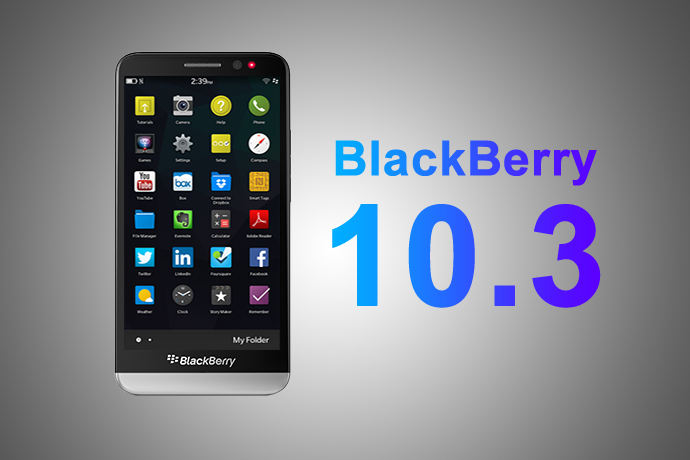
Overview of Advanced Interactions in BlackBerry 10.3.1
by - Apr 10, 2015 5:31 AM

BlackBerry Launches BES 12 Cloud for SMBs and Enterprises
by - Apr 8, 2015 5:21 AM
BlackBerry Apps Once Again!
by - Apr 6, 2015 5:53 AM
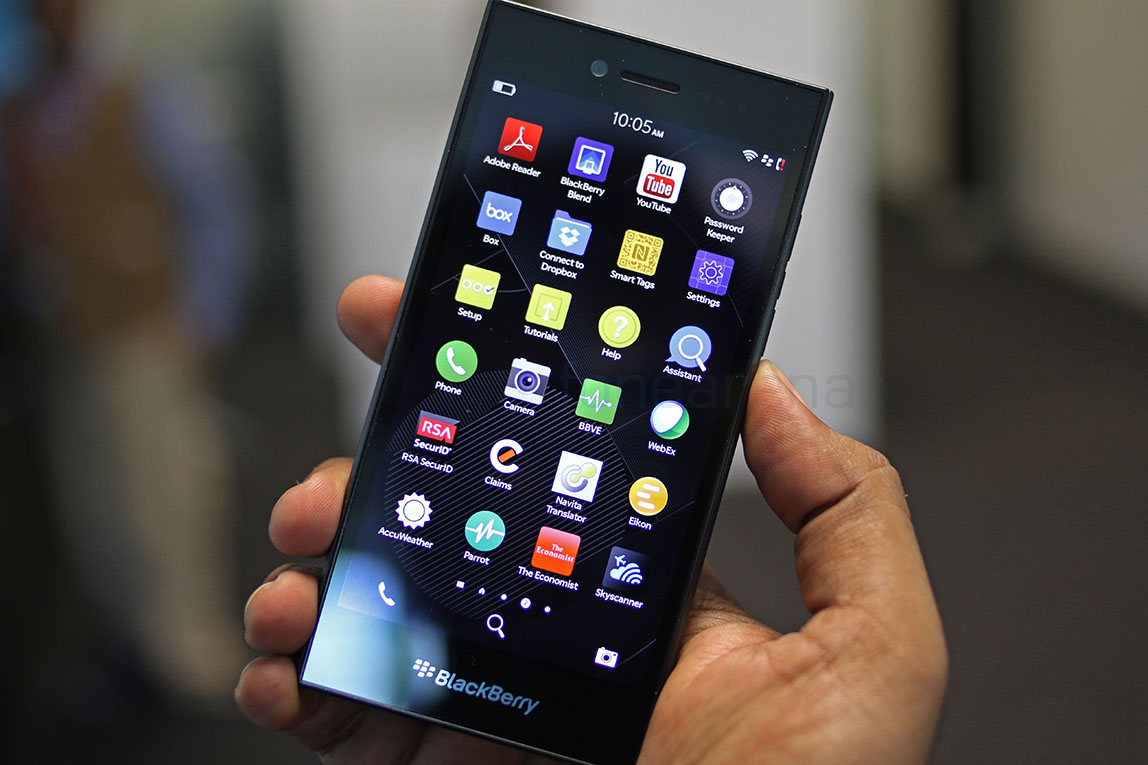
BlackBerry Leap up for Pre-Order
by - Apr 3, 2015 5:41 AM

BlackBerry Has Turned Things Around
by - Apr 1, 2015 4:53 AM

The BlackBerry Care Protection Plan for the Passport and the Classic Introduced
by - Mar 30, 2015 1:44 AM